x

Care For Nature

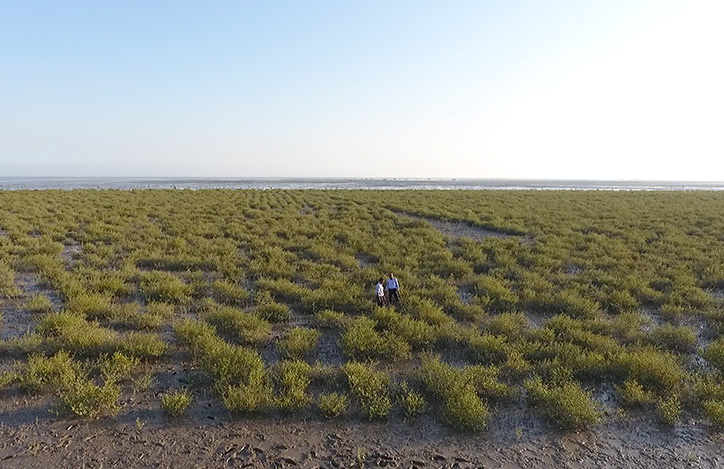
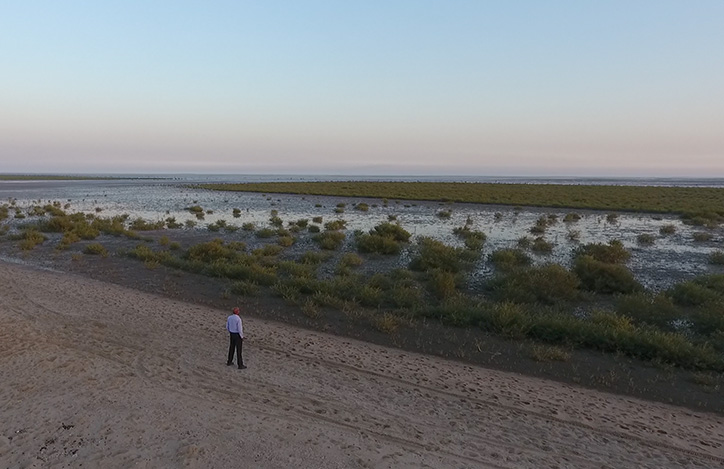
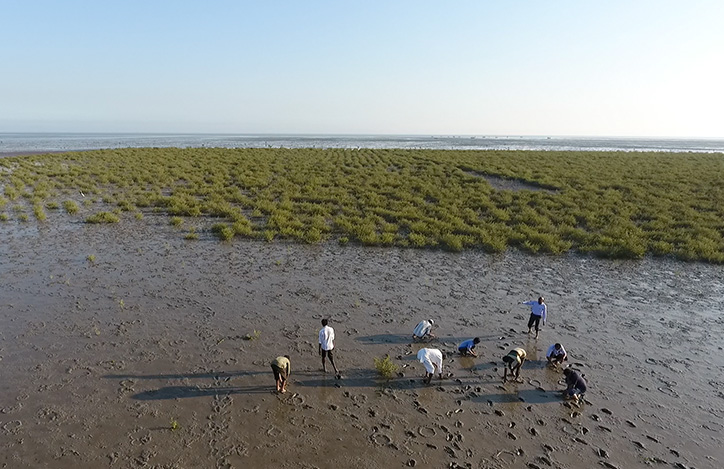
Mangrove plantation Coastal Care

Mangrove Plantation

We support mangrove and coastal plantation drives to restore natural ecosystems affected by industrial activity.

View More →

Land reclamation Land Care

Land Reclamation

Mined and disturbed land is restored through scientific reclamation practices, returning it to productive, green use.

View More →
Community tree plantation Community

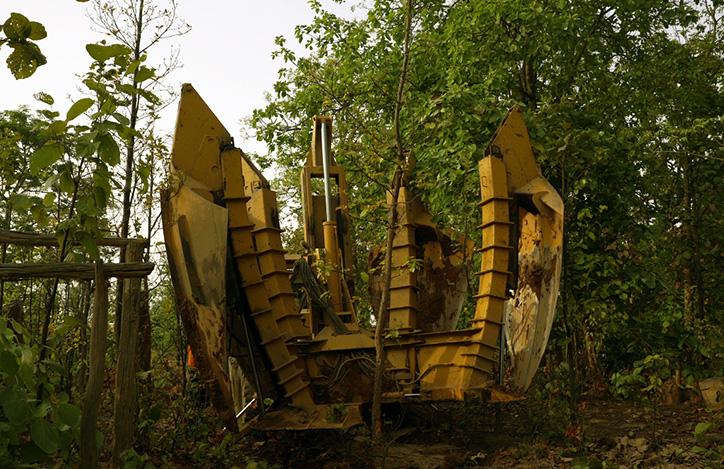
Community Tree

Regular plantation drives with local communities help offset our carbon footprint and green the surrounding region.

View More →
Community welfare Outreach

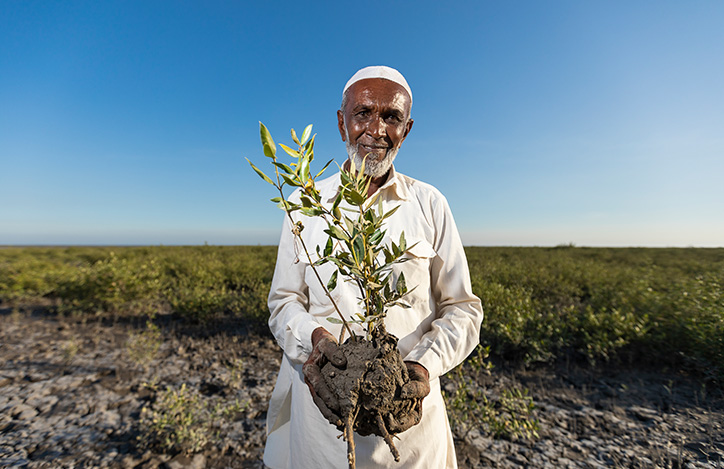
Community Welfare

We partner with communities near our operations on welfare programs, education support, and sustainable livelihoods.

View More →
Eco-friendly operations Sustainability

Eco-Friendly Operations

From transport to storage, we continually adopt practices that reduce environmental impact across our supply chain.

View More →
Care For Nature

Committed to Cleaner, Responsible Coal

01

Low Ash, Low Sulfur Coal

We recommend cleaner-burning coal with minimal ash and sulfur content, reducing pollution without compromising on energy output.

02

Environmentally Sourced Mining

Our coal is sourced from specialized mines committed to environmentally responsible extraction practices.

03

Addressing Carbon Emissions

Coal combustion releases CO₂, a major greenhouse gas. We stay focused on cleaner alternatives and support efforts toward emission reduction as the industry evolves.
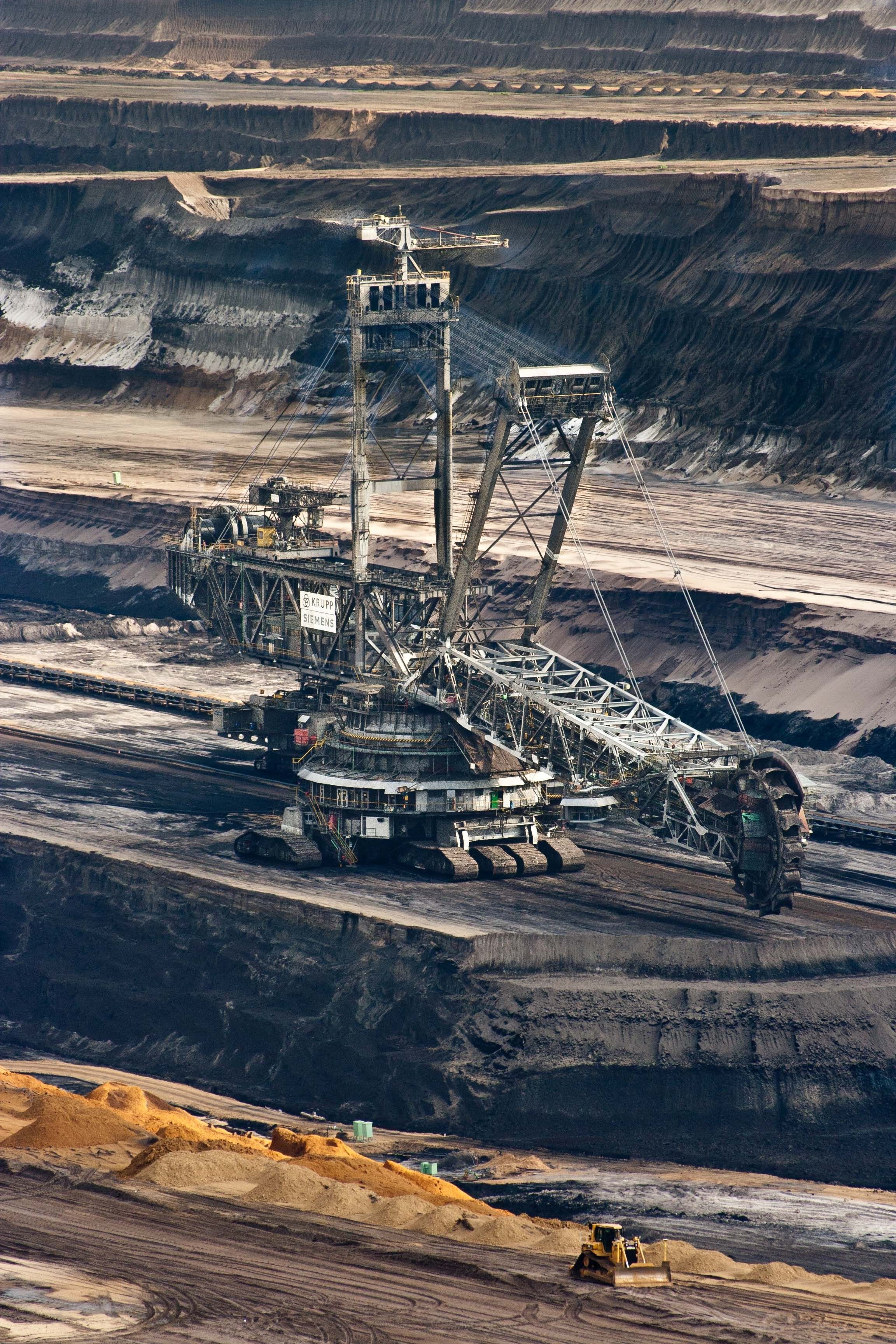

Bucket-wheel excavator at an open-pit coal mine

Environmental Impact Counters

Trees Planted
0 +
Dust Reduction at Sites
0 %
Villages Supported
0 +
Major Environmental Violations
0

Practices Comparison Table

Practice Industry Standard Our Approach
Dust Control Basic or no suppression at storage sites Water sprinkling + covered transport at all major sites
Land Use Land often left unrestored after use Active reclamation and plantation on used land
Coal Quality Mixed-grade, higher ash/sulfur common Tested, lower-ash and lower-sulfur grades prioritized
Water Usage Untracked or high-consumption Monitored usage with recycling where feasible
Community Engagement Minimal or none Ongoing plantation drives and local welfare support

Environmental FAQ

How do you reduce dust pollution at your sites?

We use water sprinkling systems at storage and loading points, along with covered transport where possible, to minimize airborne coal dust and protect nearby air quality.

Disturbed land is restored through reclamation practices — including topsoil replacement and plantation — to return it to productive, green use rather than leaving it degraded.

Yes. We run plantation drives and support welfare initiatives in villages near our sites, and continue to expand these programs over time.

Every consignment is tested for ash content, moisture, and sulfur levels, helping ensure the coal we supply meets cleaner-burning standards.

Lower-ash, lower-sulfur coal burns more efficiently and produces less pollution than untreated or lower-grade coal — which is why we prioritize sourcing it for our clients.

While coal combustion inherently releases CO₂, we stay focused on supplying cleaner-burning grades and support the industry's broader move toward emission-reduction technologies.